


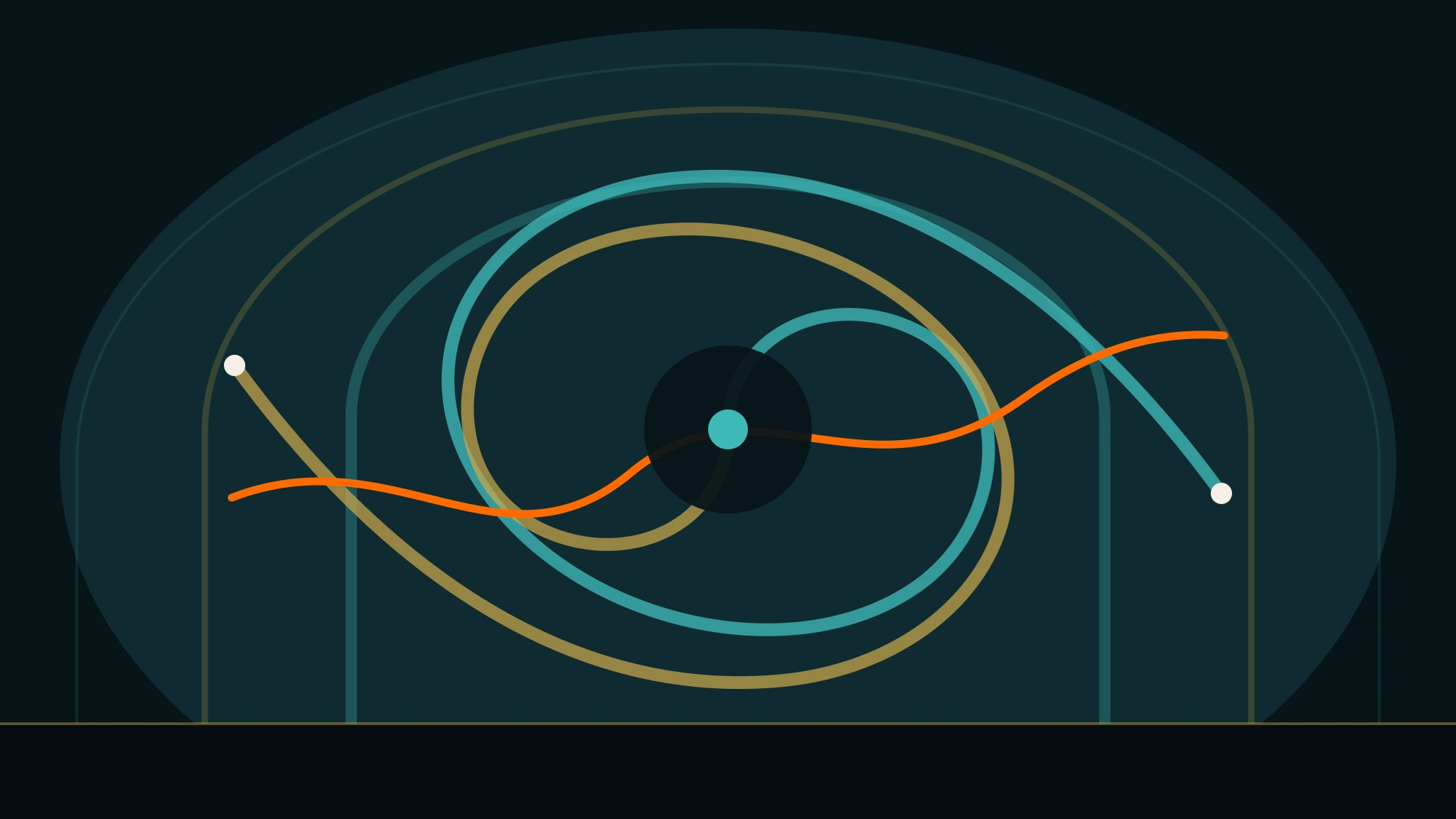

energies · XVII / XX · Sphere D · Depth & Integration · All 20
Are fields capable of learning? We do not know.
Rupert Sheldrake posited morphic fields: a memory that acts across generations without ever sitting in a gene. An idea with a large explanatory claim and no hard proof. Mainstream biology rejects it. We show both sides.
Do you know the phenomenon of a practice (meditation, sport, a language) suddenly becoming easier, as if thousands before you had smoothed the path? That is the experience Sheldrake wanted to explain. We stay open.
I · Structure · Measurable
Sheldrake's hypothesis is methodologically problematic, not directly falsifiable in a strict Popperian reading. Replication attempts (e.g. new crystallisation rates, IQ trends, language-learning curves) are mostly negative or at best inconclusive. Mainstream biology does not count morphic fields among established phenomena. We take them here as historical hypothesis, not research consensus.
II · Flow · Tradition
Jung's collective unconscious posits shared archetypal structures. Akashic records (theosophical): cosmic memory. Structurally similar, methodologically untestable.
III · Breadth · Synthesis
What is empirically defensible: cultural transmission, epigenetic inheritance (Yehuda 2016 Holocaust studies), mirror-neuron-based transmission. What goes beyond (Sheldrake's claim) remains speculative. We say: maybe.
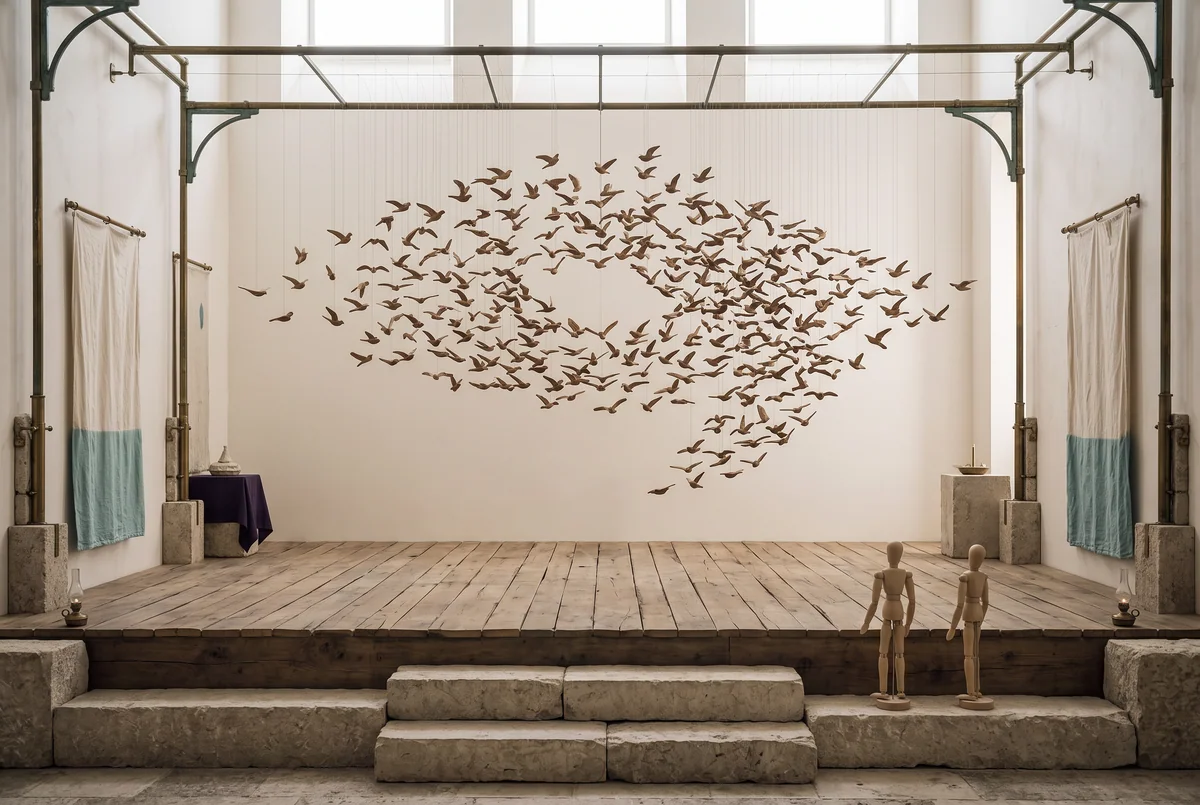
What am I seeing here?
Sheldrake’s morphic fields are a non-mainstream hypothesis. We present them honestly as what they are: an idea with explanatory aspiration but no hard proof. Mainstream biology rejects them.
What you can do here: see whether the described phenomenon resonates for you (sometimes that is more valuable than proof). Read the sources. Keep the question open.
Imagine habit were nothing private. What was once learned would lie not only in one head but in a field, and the next creature would find the path a little easier. Rats in one lab learn a maze, and rats on the other side of the world, who never saw it, are said to be quicker. That is Sheldrake’s picture. It is beautiful, and it is unproven.
Perhaps as you read you feel a quiet yes. Do not make too much of it, but do not throw it away either. Sometimes a question left open is more honest than an answer that comes too soon.
living fields · Sheldrake
- 1 · *Maybe* is the most honest answer here. It is the one that will annoy you most.